
Ever caught yourself wondering if those smooth, flavored vape clouds come with hidden calories? You’re not alone. Many people trying to stay fit or watch their weight get curious about whether vaping affects their calorie intake the same way snacks or drinks do. It’s one of those small but nagging questions that pop up when you’re trying to make healthier choices.
In this post, we’ll break down the truth about how many calories are in a vape, where they come from, and whether vaping can impact your diet or weight goals. You’ll get clear, simple answers without the confusing jargon, just what you need to finally put this question to rest.
How Many Calories Are in a Vape?
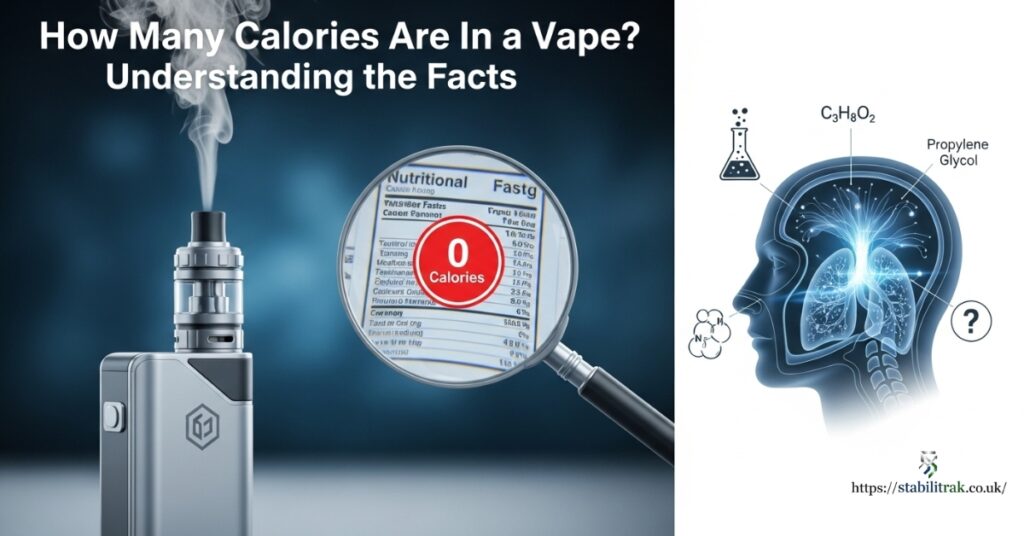
Most vape juices contain very few calories, around 4 to 5 calories per milliliter. That number might sound like something, but it’s misleading. When you vape, you don’t actually consume those calories because you’re inhaling vapor, not swallowing the liquid. The ingredients that have caloric value, such as vegetable glycerin (VG) and propylene glycol (PG), are converted to vapor and don’t enter your digestive system.
For comparison, a single apple contains about 95 calories. Even a heavy vaper who goes through 5 ml of e-liquid per day is only “vaporizing” about 25 calories, none of which are absorbed like food. In short, vaping has negligible caloric impact and doesn’t contribute to weight gain in any measurable way.
Does Vaping Make You Lose Weight?
Some people believe vaping helps with weight loss because nicotine acts as an appetite suppressant. There’s some truth to this. Nicotine can slightly boost metabolism and reduce hunger for short periods. However, it’s not a healthy or reliable method for managing weight.
Vaping might stop you from reaching for snacks now and then, but the effect is temporary. Once the nicotine wears off, appetite often returns. Real weight management still comes down to eating habits, activity level, and overall lifestyle, not what’s inside your vape tank.
Does Vaping Make You Gain Weight?
Vaping itself doesn’t cause weight gain. The number of vape calories absorbed through inhalation is effectively zero. However, when someone quits vaping or smoking, they may experience changes in appetite and metabolism. This can lead to mild weight gain, not because of calories in vaping, but because of increased food intake or cravings once nicotine is removed.
Nicotine-free vapes contain the same base liquids (PG and VG) that give them their smooth clouds but have no effect on body fat or metabolism. So whether you use nicotine vapes or nicotine-free vapes, your calorie count doesn’t change.
Does Nicotine Have Calories?
Nicotine itself is calorie-free. It’s a stimulant derived from tobacco plants, but it doesn’t carry the nutritional properties that food does. It affects your central nervous system, increasing alertness and slightly raising your metabolic rate, but it provides no energy value.
Even nicotine salt vapes or freebase nicotine e-liquids contain such tiny quantities that their caloric contribution is effectively zero. So if you’re counting calories, you can rest assured nicotine isn’t adding any.
Read More Article: How Long Does a Lash Lift Last?
What Are the Ingredients in Vape Juice?

To understand where the idea of calories comes from, it helps to know what’s inside the e-liquid composition. Most vape juices contain four main ingredients:
1. Vegetable Glycerin (VG)
A sweet, thick liquid made from plant oils. It’s used to create dense vapor and add smoothness to the inhale. VG is often used in food production and contains about 4 calories per gram. However, when vaporized, those calories are not digested.
2. Propylene Glycol (PG)
A clear, odorless liquid that carries flavor well and provides a throat hit similar to smoking. PG also has about 4 calories per gram, but again, these calories are vaporized, not ingested.
3. Flavorings
E-liquid flavorings come in natural or artificial forms, ranging from fruity blends to dessert flavors. They’re added in tiny amounts, so their calorie content is nearly nonexistent.
4. Nicotine (Optional)
Nicotine may be present in different strengths or absent entirely. It provides the “buzz” but no calories.
5. Optional Additives
Some e-liquids include sweeteners such as sucralose or ethyl maltol to enhance flavor. Even so, the total caloric value remains too low to matter.
How Many Calories Does a Typical Vape Contain?

A 30 ml e-liquid bottle generally contains about 120 to 150 theoretical calories (from PG and VG). But since you’re inhaling vapor rather than drinking the liquid, your body doesn’t actually absorb those calories. Think of it like lighting sugar on fire. Once it burns, the calories are gone with the smoke.
Caloric Value of VG and PG
- Vegetable Glycerin (VG): ~4 calories per gram
- Propylene Glycol (PG): ~4 calories per gram
Together, they make up nearly all the calorie potential in vape juice, though none of it translates into actual dietary intake.
Can You Absorb Calories From Vaping?
No, not in any meaningful amount. Calories provide energy through digestion, not inhalation. The vaporized PG and VG molecules enter your lungs and are expelled when you exhale. Only trace amounts may settle in your mouth or throat—but even then, the body doesn’t process them like food.
The Role of the Digestive System
Calories can only be absorbed if a substance reaches the digestive system. Since vapor never does, it cannot contribute to your total calorie intake.
Swallowing E-Liquid Residue
If you accidentally swallow a small drop of e-liquid, it would still be less than one calorie, so minimal that it wouldn’t register on any diet tracker.
Do Vapes Have Calories Causing Weight Gain?
No, vapes do not cause weight gain due to caloric intake. The only indirect factor could be nicotine withdrawal, which may increase appetite. Otherwise, the vape calorie count is too low to influence your body weight.
Why Vaping Doesn’t Lead to Weight Gain
Vaping doesn’t alter metabolism in a way that promotes fat storage. In fact, nicotine’s stimulant effect might slightly increase your metabolic rate. The difference is so small it doesn’t burn measurable calories or add any, so the balance remains neutral.
Do Different Vape Types Have Varying Caloric Contents?
The caloric value of e-liquid doesn’t vary much, whether it’s a sub-ohm vape, a refillable device, or a disposable vape pen. The main difference lies in vapor production, not calorie levels. A high-VG juice might have a few more theoretical calories per milliliter, but you’re still not absorbing them.
How Vaping Can Affect Weight Management
Nicotine’s effects on appetite and metabolism can play a small role in weight control. Some people notice they snack less when vaping, while others experience cravings after quitting. It’s not the calories in vaping that make the difference; it’s behavioral changes and habits.
Can Vaping Replace Snacking?
For some, vaping mimics the hand-to-mouth action of eating, which can reduce snacking urges. Sweet vape flavors like dessert or fruit options may also satisfy cravings psychologically. However, this isn’t a substitute for a balanced diet.
Common Myths About Vaping and Calories
Myth 1: Vaping Adds Calories to Your Diet
False. The vaporized liquid doesn’t reach your digestive system, so those theoretical calories don’t count.
Myth 2: Vaping Helps Burn Calories
Not really. While nicotine slightly boosts metabolism, it doesn’t “burn” calories the way physical activity does.
Read More Article: How Long Do Jumping Spiders Live in the Wild and in Captivity?
Vaping and Health Considerations Beyond Calories

Calories are just one tiny aspect of vaping’s effects. Health concerns with vaping have more to do with long-term nicotine exposure, respiratory irritation, and chemical inhalation than with caloric intake. Choosing tobacco-free nicotine or low-nicotine options can reduce those risks, but moderation is key.
Conclusion
To sum it up, the calories in a vape only exist on paper. The ingredients in vape juice, mainly propylene glycol, vegetable glycerin, flavorings, and nicotine, do contain some energy value when measured as food. But because vaping involves inhalation, not digestion, those calories are not absorbed.
Vaping might influence appetite or cravings through nicotine’s metabolic effects, but it won’t change your weight through calorie intake. Whether you’re fasting, dieting, or just curious, you can enjoy your vape without worrying about hidden calories.
FAQs
How many calories are in a 600 puff vape?
A 600 puff vape contains almost zero calories. The vapor does not provide any measurable calories to your body.
How many calories are in a Vape Geek Bar?
Geek Bars have negligible calories since they contain nicotine, propylene glycol, and flavoring, not actual food substances.
How many calories are in a Breeze vape?
A Breeze vape has close to zero calories. The ingredients used in vaping liquids don’t add caloric value.
Do cigarettes have calories?
Yes, cigarettes have about 10 to 15 calories per stick, but your body doesn’t absorb them through smoking.
How many calories are in an Elf Bar?
Elf Bars contain little to no calories because the vaporized e-liquid doesn’t deliver energy or nutrients.
Do vapes have sugar?
No, vapes don’t contain real sugar. They use artificial sweeteners or flavor compounds that don’t add calories.
Do vapes have carbs?
Vapes contain no carbohydrates, as they don’t include sugars, starches, or any digestible compounds.
Can you gain calories from vaping?
No, vaping doesn’t add calories or cause weight gain directly since nothing is ingested.
How many calories are in a puff of vape?
Each puff has nearly zero calories, far less than one calorie per inhale.
Are there calories in hitting a vape?
No, inhaling vapor doesn’t add calories because it doesn’t contain digestible substances.






3 thoughts on “How Many Calories Are in a Vape? Understanding the Facts”