
Introduction
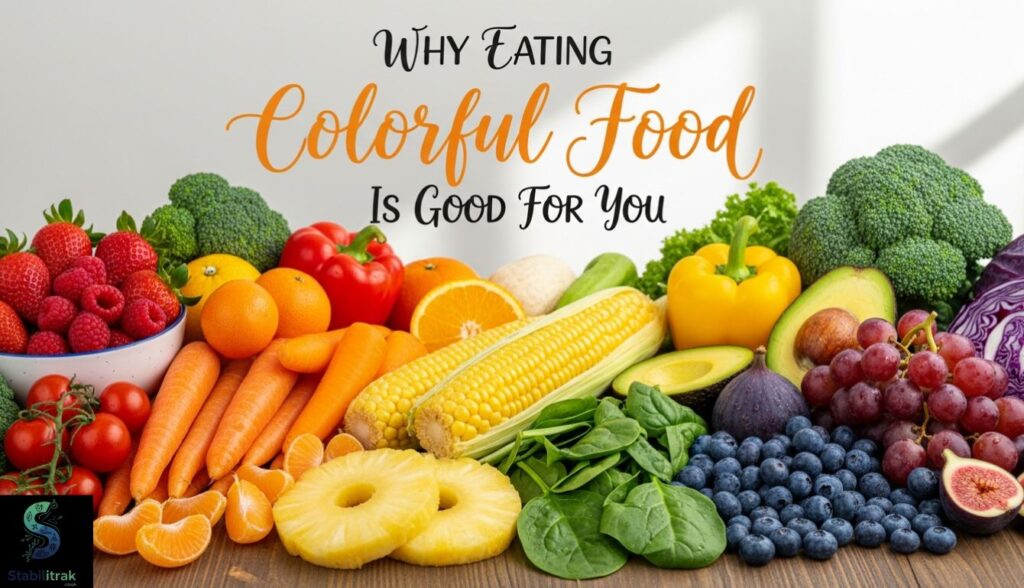
Ever notice how a plate full of bright and colourful food just feels happier? Maybe you’ve thinked if those vibrant fruits and veggies are more than just pretty to look at. The colours actually mean something for your health. You’re not only. Many of us wish for a healthier lifestyle. But they can’t select where to start. Sometimes, the simplest hint is hidden in front of us in the colours on our plate.
That’s exactly what this post will explore. You’ll discover why eating colourful food is good for you. How different colours affect your body and what science says about the “eat the rainbow”. From boosting brain power to protecting your heart, how nature’s palette can change your meals and your health one colour at a time.
1. The Science Behind Colourful Foods
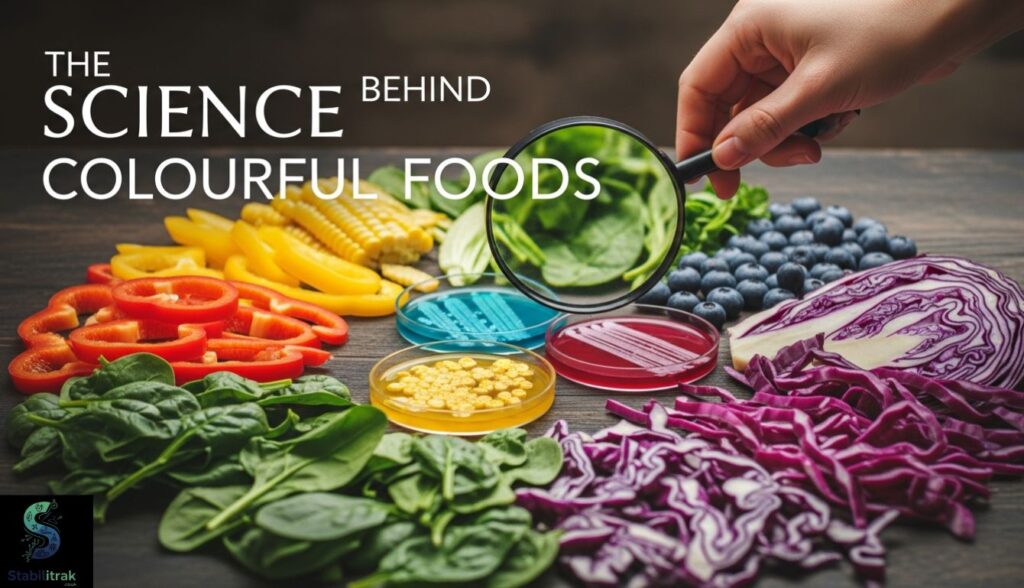
When you fill your plate with bright fruits and vegetables. You’re not just adding colour, you’re adding life. Each color represents a new mix of fiber, mineral and natural compounds. Which is called phytonutrients. Such as antioxidants, carotenoids and anthocyanins. These powerful components help fight swelling, counteract harmful radicals. And lower the risk of persistent diseases.
Orange and yellow like carrots, mangoes and pumpkins are full with carotenoids. Which supports your immune system and improves your eyesight. Green vegetables include lutein, which helps with macular degeneration . Dark reds and purples like berries and beets are full with anthocyanins. It is known to protect your heart and increase memory. In simple words, the more colours you eat. It gets more protection for your body.
2. How Colour Impacts Brain and Heart Health
Your brain and heart love colour not on your walls, but on your plate. Research shows that eating a variety of coloured foods improves mental health. And reduces the risk of heart disease. Brightly colored plants contain flavonoids. Which supports blood flow and reduces swelling in the brain.
People who consumed more flavonoid filled foods. Like oranges, grapes and black peppers had lower rates of mental disorder and cognitive decline. These foods also help maintain healthy blood vessels. And also reduce cholesterol levels. And give protection against heart disease. Regularly eating colourful foods, you’re giving both your brain and heart the nutrients. They need to stay strong and sharp.
3. Each Colour Brings Unique Benefits
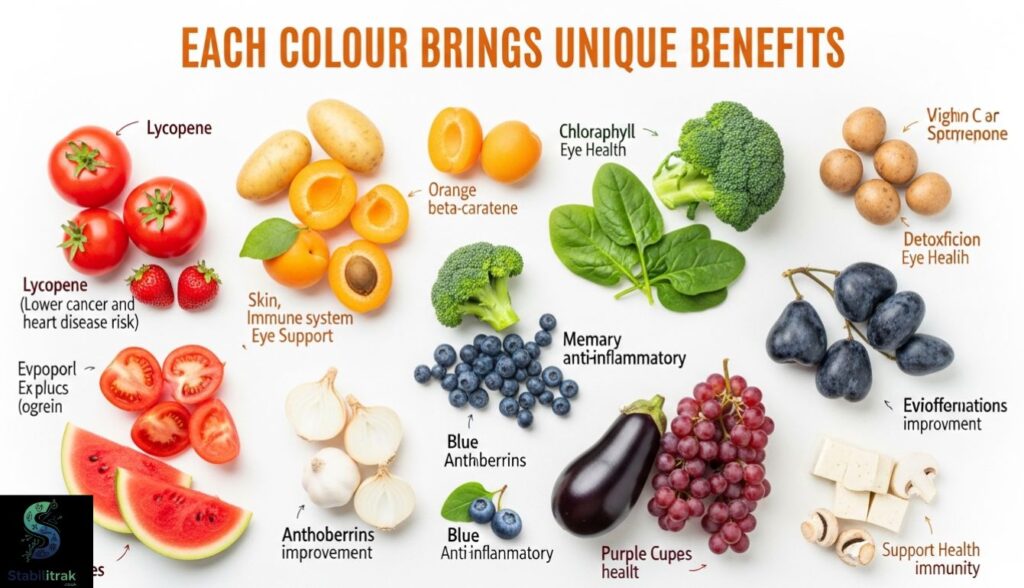
Each colour tells a story. And every one matters.
- Red like tomatoes, strawberries and watermelon hold lycopene. Which is an antioxidant connected to lower cancer and heart disease possibility.
- Orange and yellow foods such as potatoes and apricots are high in vitamin C and beta-carotene. Which supports your skin, immune system and eyes.
- Green spinach, kale and broccoli are full of chlorophyll and lutein. Which helps detoxify the body and improve eye health.
- Blue and purple blueberries, grapes and eggplants include anthocyanins. Which improves memory and fights inflammation.
- White like garlic, onions, tofu and mushrooms may look plain. But are rich in isoflavones and other compounds that support heart health and immunity.
These colours work in harmony to create a nutrient full diet. That strengthens your full body.
4. The Role of Flavour and Variety in Nutrition
Eating colourful foods isn’t just about the optical demand. Flavour also plays a big role too. Different colours bring different tastes. And those tastes often suggest the nutrients inside. Bitter foods like kale and rocket contain combinations that support liver health. And help your low blood pressure.
Studies show that people who eat a different type of flavours and textures are likely to use up more nutrients in general. When your plate is full of food. They are sweet, sour and bitter. Your body receives a full quantity of vitamins, minerals, fiber and antioxidants. When next time you cook. Then experiment with colourful spices, herbs and vegetables. Then you’ll nourish your body and your taste.
Read More Articles: Affirmative Sentences
5. Why Balance and Moderation Necessary?
It’s easy to understand. That more colour means more health. But balance is key. Eating a rainbow diet doesn’t mean piling on sugar filled fruits or drinking endless smoothies. It means including entire foods from each colour group. Like fruits, vegetables, grains and nuts.
Experts suggested seasonal eating for the best nutrition. Fresh local produce contributes to higher phytonutrient content. Eating seasonal foods lower your carbon footprint and connect you with nature’s flow. Remember that: real colour comes from nature. Not from artificial food colors or processed snacks.
6. Easy Ways to Add More Colour to Your Meals
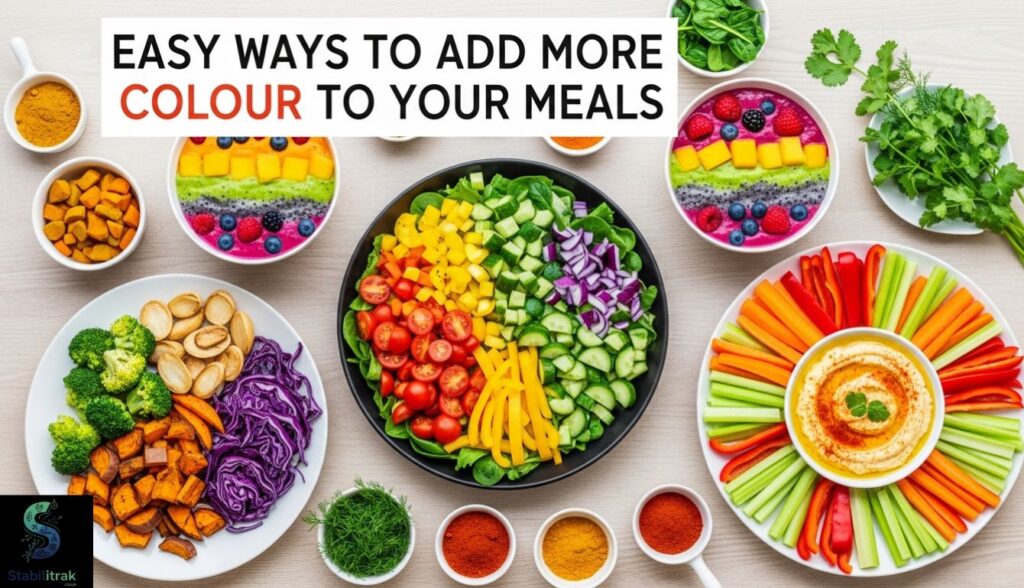
If your plate often looks cream or brown. So don’t worry. Adding colour is easier than you think! Here a few simple tips:
- Start with breakfast: Add berries to your cereal. Or a small quantity of green to your smoothie.
- Mix your salads: Mix green vegetables with orange carrots, red peppers and purple cabbage.
- Cook with colour: Try soups and loaded fries with different vegetables.
- Herbs and spices: Turmeric, paprika, basil and parsley not only add colour. It’s also antioxidants.
- Try global dishes: Mediterranean, Thai and Indian dishes are naturally well off in colourful ingredients and healthy fats.
Small changes cause big results. When you intentionally include more colours in your meals. You naturally create a more balanced and nutritional diet.
Read More Articles: Food Science
Conclusion:
Why is eating colourful food good for you? Because colour means nutrition and nutrition means life. Each color on your plate shows a different set of vitamins, minerals and phytonutrients. That works together to protect your body and mind.
When you “eat the rainbow”. You’re not just preparing your meals more beautifully. You’re improving your heart, brain and your whole health. Colourful foods are nature’s way of keeping you strong and active from preventing inflammation to increasing cognitive health.
Next time you make food. Think of it as painting a masterpiece. Your body will thank you for every bright, delicious meal.
FAQ’s
1. Is colorful eating healthy eating?
Yes. Eating colorful foods—especially fruits and vegetables—means you’re getting a variety of vitamins, minerals, and antioxidants that support overall health.
2. What are the benefits of food colors?
Natural food colors from plants indicate nutrients like vitamins, fiber, and antioxidants that boost immunity, heart health, and energy levels.
3. What are 5 reasons to eat a variety of colors?
- Each color provides unique nutrients.
- Strengthens the immune system.
- Supports heart and brain health.
- Reduces inflammation and disease risk.
- Makes meals more appealing and enjoyable.
4. Is it healthy to eat food coloring?
Artificial food coloring is not very healthy. It can cause allergies or hyperactivity in some people. Natural color from fruits and vegetables is the safer choice.
5. What are 5 benefits from eating a rainbow of foods?
- Better digestion.
- Stronger immunity.
- Improved skin and eye health.
- More energy and vitality.
- Lower risk of chronic diseases.
6. What is the 7 color food diet?
The 7-color food diet encourages eating foods from seven natural color groups—red, orange, yellow, green, blue, purple, and white—to ensure balanced nutrition and overall wellness.

AI-powered SEO content writer with 3 years of experience in creating clear, helpful, and search-engine-optimized content using AI and human research.